
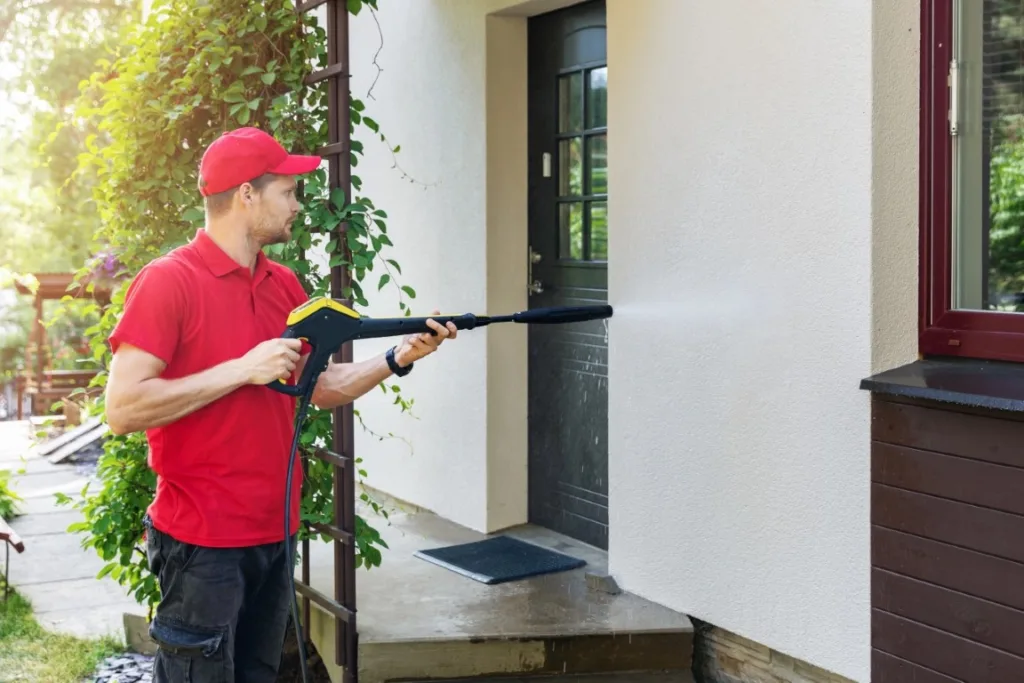
Many people think that when pressure washing, it’s the pressure alone that does all the cleaning. However, there’s another factor that affects cleaning power: water temperature. Successful pressure washing requires both the perfect amount of pressure and the right water temperature for the given surface.
At City Wash, we understand how water temperature and pressure settings can impact results. In this blog post, we’ll share when to use cold vs. hot water, how to know what temperature is best for various surfaces, and why professional pressure washing is the smartest way to get your property looking clean and fresh.
The Basics of Pressure Washing and Water Temperature
Pressure washing equipment isn’t like a standard garden hose. It has various settings you can adjust based on your needs, including pressure, water flow, and temperature. In general, the higher the pressure and temperature, the more powerful the results and the better it is at breaking down dirt, algae, grease, mold, and mildew — however, that doesn’t mean you should always default to these settings.
For example, if you’re washing built-up grime off a dumpster pad, you may want higher pressure and a higher temperature. But if you’re dealing with a more delicate material like wood or siding, the high pressure and hot water may cause damage, so it’s safer to go with gentler settings.
Cold Water Pressure Washing – When It Works Best
Let’s focus on cold water pressure washing first. While cold water is typically less effective on grease, oil, and heavy buildup, it’s often enough for standard cleaning, especially when paired with detergents. Plus, pressure washing with cold water means lower operating costs and less risk of surface damage.
Colder water temperatures are usually used for removing loose dirt, dust, pollen, and mud and are suitable for sidewalks, patios, driveways, fencing, vinyl siding, and more delicate exterior surfaces.

Hot Water Pressure Washing – When Heat Makes the Difference
Hot water pressure washing takes it a step further. In fact, when you pressure wash with a higher water temperature — sometimes as high 200 degrees — it’s often called power washing because of its enhanced cleaning power. Because of this, it’s often used to tackle tricky grease and oil stains on concrete, grimy dumpster pads, parking lots, and heavily soiled driveways.
Hot water pressure washing breaks down grease and grime faster, reduces the need for harsh chemicals or detergents, and requires shorter cleaning times while providing better results. However, it can damage certain surfaces like vinyl, wood, and older paint. It also comes with higher equipment and fuel costs and requires experienced handling.
Warm Water vs. Hot Water
Warm water pressure washing doesn’t exceed what a typical home’s water heater can achieve (around 140 degrees). It’s a more moderate version of hot water pressure washing and balances effectiveness and surface safety. This means it’s more suitable for materials like siding and wood that may be damaged by excessively high water temperatures.
The Best Water Temperature for Different Surfaces
Now that you know the differences between cold, hot, and warm water pressure washing, let’s explore the best water temperature for different exterior surfaces:
- Concrete and masonry: Hot water is great for washing concrete, but isn’t always suitable for masonry. It’s best to use warm water with a low PSI when cleaning bricks, especially if you’re using acidic cleaning solutions.
- Wood decks and fences: Cold water is safest for wood surfaces. If you’re tackling particularly stubborn stains, warm water is probably fine, too.
- Vinyl siding: Cold water is safest for vinyl siding, but warm water can be used in certain situations, as well.
- Stucco: Water pressure is more important than temperature when it comes to cleaning stucco — keep it on the lower end to avoid damage.
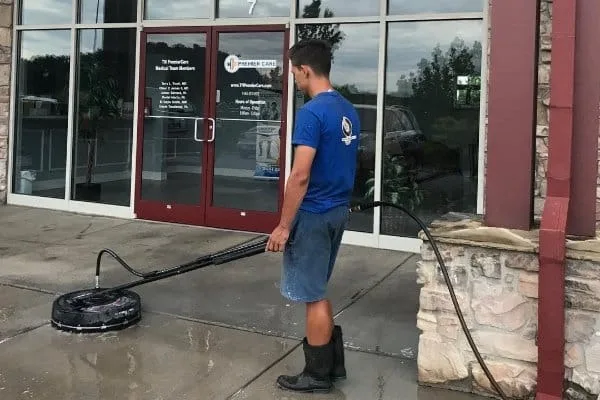
Why Professional Pressure Washing Gets Better Results
Hotter water doesn’t always mean better cleaning, and cold water doesn’t always reduce the risk of damage. Whatever the water temperature, it must be paired with the proper technique, pressure levels, detergents, and equipment for optimal performance.
Experience matters more than water temperature alone, which is why it’s important to seek professional pressure washing services for best results. Professionals know how to choose the right settings for each surface, reducing the risk of damage and providing faster, more consistent, and longer-lasting results than DIY attempts.
Trust the Experts at City Wash
At City Wash, we’re proud to serve Knoxville with our expert pressure washing services. With a combination of the right water temperature and pressure settings, we can get your property looking cleaner and fresher than ever before. Contact us today to get a fast quote!

Follow Us